Accessibility Statement

Dyslexia

What is dyslexia?

Dyslexia is a learning difference which primarily affects reading and writing skills. However, it does not only affect these skills. Dyslexia is actually about information processing. Dyslexic people may have difficulty processing and remembering information they see and hear, which can affect learning and the acquisition of literacy skills. Dyslexia can also impact on other areas such as organisational skills.

It is important to remember that there are positives to thinking differently. Many dyslexic people show strengths in areas such as reasoning and in visual and creative fields.

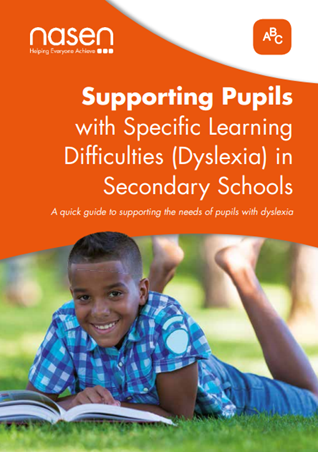
NASEN have produced a guide for supporting children and young people with Dyslexia. 

Nasen guide to supporting pupils with dyslexia

Supporting pupils with Dyslexia (opens PDF in new window)

The videos below can help explain more about Dyslexia

Getting a Dyslexia assessment

There are a number of assessment and screening tools which can be used to assess a person for Dyslexia. Below is a small range of places that can offer screening and assessment.

A diagnostic assessment is the formal way that dyslexia can be identified. These assessments are done by qualified specialists. 

Screening tests can identify the probability of dyslexia and highlight strengths and weaknesses. School professionals usually carry out these screeners. 

Clicking the image or link will open the relevant pages about these assessments in a new window.

British Dyslexia Association (opens link in new window) British Dyslexia logo

Lucid rapid logo Lucid Rapid from GL Assessments (opens link in new window)


Brighouse Dyslexia Centre (opens link in new window) Brighouse dyslexia centre logo


Lexercise logo Lexercise Dyslexia Screening (opens link in new window)


How can schools support your child in mainstream education without a diagnosis?

There is a lot of support that can be implemented within schools to help a child or young person succeed in the classroom. A dyslexia assessment and/or diagnosis is not always necessary in order to identify and support children/young people. 

Schools can use their own assessment tools to assess children and young people's needs and provide a wide range of strategies and interventions to support learners' success. 

We are a 'needs-led' Council, which means we support children and young people based on their presenting needs and what each individual child needs to succeed, rather than waiting for a diagnosis. 

If a child or young person is still struggling in school following a period at the Inclusive High Quality teaching level, schools can seek support from Kirklees services, such as the Cognition & Learning team or an Educational Psychologist. (Please click on the names of the services to read more about the individual teams; links open in a new page.)

What are the different levels of support in a school? 

We have created a page to explain the school's processes. There is a useful video on the page too, which you may find beneficial. It includes a SENDCo from a local Primary School, who explains the different levels of support and what support may look like at each level. 

 What teachers should be doing to support Children & Young People with SEND - Inclusive High Quality Teaching (opens link in a new page)

What should you do if you think your child has SEND?

We would encourage you to speak to your school directly in the first instance. Start off with the class teacher, who knows your child well. They may then ask the SENDCo to support any conversations. We have dedicated pages for information on what to do below (links open in a new window):

What do I do if I think my child has Special Educational Needs

Speaking to nursey, school or college about support

Why aren't dyslexia assessments free?

Dyslexia can only be formally identified through a Diagnostic Assessment carried out by a certified assessor. Assessments are not available through the NHS. This is because a diagnosis is usually carried out by a qualified Educational Psychologist or Specialist Dyslexia Teacher, rather than a health professional. There is no expectation that Local Authorities provide free assessments. 

Dyslexia friendly fonts

There are a number of fonts available which can make it easier for people with dyslexia to read.  Some people find that some work well for them, but some don't.  This video helps explain more.

Below are some fonts which could help.  Keep in mind that different fonts work better than others at preventing certain kinds of errors so the best font will depend on the preference of the dyslexic individual who will be using it. (click on each font to go the font webpage in a new window)

Dyslexia logo

Dyslexie - Designed by Christian Boer who is himself dyslexic, Dyslexie font was created in the Netherlands as part of a thesis project. Dyslexie font (opens link in new window)

Open Dyslexic logo

OpenDyslexic - Alberado Gonzalez is a graphic designer who based this font on DejaVu Sans. It has since been used in several eye-tracking studies.  Open Dyslexic font (opens link in new window)

Lexie Readable

Lexie Readable - This is a free option with good differentiation between the letters b and d. Lexie Readable font (opens link in new window)

Read Regular

Read Regular - While not expressly designed for people with dyslexia, this is a common font used by children’s book publishers. It was created at the Royal Art College.  Read Regular font (opens link in new window)

Tiresis Infofont

Tiresias Info font - This font is for people with visual impairment and hasn’t been tested specifically for dyslexic readers.  Tiresias Infofont (opens link in new window)

Sassoon Primary

Sassoon Primary - While highly recommended, Sassoon must be purchased and can be expensive.  Sassoon Primary font (opens link in new window)

Other dyslexia-friendly fonts

Additional options include Barrington Stoke, Myriad Pro, which is a very clean font and Century Gothic, which has geometric letters that can make reading easier in the same way as text written in all capital letters does.
There are a number of ways that all digital devices (computers, tablets and phones) can be made easier to use for those with Dyslexia, such as screen readers, visual display adjustments and voice control.

Please look at the Local Offer Accessibility overview page for more info, as well as ways to make Windows and Mac computers can be made easier to use.

en-GB
Last updated: 04/12/2025

Useful links

Dyslexia SPLD Trust

Dyslexia Trust

British Dyslexia Association

BDA

Made By Dyslexia

Made By Dyslexia